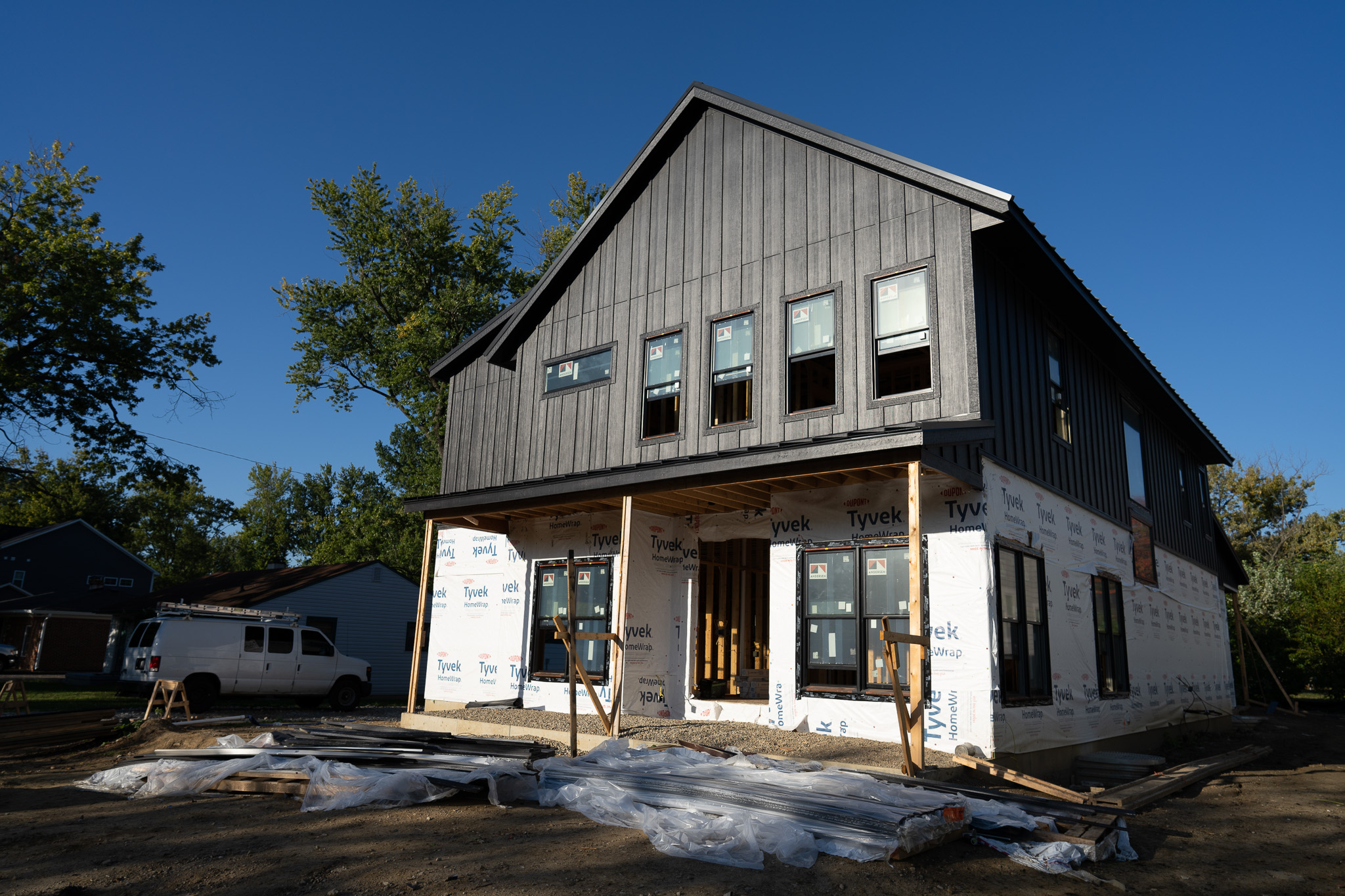
Ventilation and a Metal Roof
Ventilation works with a metal roof just as with any roofing, and understanding this helps a Featherstone homeowner. Here is how they relate.
Ventilation Is Material-Independent
The need for proper attic ventilation applies regardless of roofing material, since the heat and moisture in the attic come from the home and environment, not from the roof covering. So a metal roof needs good ventilation just as an asphalt roof does. Ventilation's importance is independent of the roofing material. It matters for every roof. The roof type does not change the need. It applies to metal too.
Incorporated Into the Installation
A quality metal roof installation incorporates proper ventilation, with appropriate intake and exhaust suited to the roof and attic. An experienced contractor addresses ventilation as part of installing the roof correctly. Incorporating ventilation is part of a quality metal roof installation. It is built into the job. It is addressed during installation. It is part of doing it right.
Ventilation Components for Metal
Metal roofs use appropriate ventilation components, including ridge or other exhaust vents and intake at the eaves or soffits, integrated into the metal roof system. These components are designed to work with the metal roof while providing the needed airflow. The ventilation components suit the metal roof. They integrate with the system. They provide airflow for metal. They fit the roof.
Supporting Metal's Longevity
Good ventilation supports a metal roof's longevity, helping the long-lasting roof reach its full life in sound condition by managing the attic conditions that could otherwise affect it. For a metal roof meant to last decades, ventilation helps protect that investment. Supporting metal's longevity is part of ventilation's value here. It helps the durable roof last. It protects the long-term investment. It aids metal's lifespan.
Part of a Complete Metal Roof
Proper ventilation is part of a complete, quality metal roof, alongside the panels, underlayment, flashing, and insulation, all working together for a healthy, long-lasting roof. Ventilation is one component of the whole system. It works with the rest of the roof. It completes the assembly. It is integral to the complete roof.
Ventilation and Metal, in Short
Proper attic ventilation is needed regardless of roofing material, including metal, and a quality metal roof installation incorporates appropriate ventilation components to manage attic heat and moisture, supporting the roof's longevity as part of a complete roof system.
One point worth making clear for Featherstone homeowners is that attic ventilation, despite being entirely out of sight and rarely thought about, is a genuinely important part of keeping a roof and home healthy, and it matters for a metal roof exactly as much as for any other roofing. The basic idea is simple, ventilation is the flow of air through the attic that allows hot, moist air to escape and fresh air to enter, which it does through a balanced arrangement of intake vents, usually low at the eaves or soffits, and exhaust vents, usually high at or near the ridge, so that air enters low and exits high. This airflow does two essential jobs. The first is managing heat, by letting hot air escape rather than building up in the attic, and the second, which is often the more consequential for the roof's health, is managing moisture, by carrying moist air out of the attic before it can condense. That moisture matters because everyday life in the home below, along with temperature differences, sends moisture up into the attic, and without adequate airflow it has nowhere to go, so it can accumulate and, when it meets cooler surfaces, condense into water. Over time, that condensation can affect the roof structure and deck, dampen the insulation and reduce its effectiveness, and create the damp conditions in which mold and rot thrive. A well-ventilated attic prevents this by keeping the air moving and the attic dry. Crucially, the need for this is independent of the roofing material, because the heat and moisture come from the home and environment, not the roof covering, so a metal roof needs proper ventilation just as an asphalt roof does, and a quality metal roof installation incorporates it.
It also helps Featherstone homeowners to understand that proper ventilation is one of the behind-the-scenes elements that distinguishes a complete, quality metal roof from one that has been installed without full attention to the system, and that it is worth ensuring both on a new roof and on an existing one. On a new metal roof, a quality installation incorporates appropriate ventilation as a matter of course, with the contractor determining the right amount and arrangement of intake and exhaust for the particular attic and roof, since the proper approach depends on the attic's size, the roof's design, and the structure, and then installing the ventilation components correctly and integrating them into the metal roof system. Getting this right supports the roof's longevity, because a metal roof is built to last for decades, and managing the attic's heat and moisture helps ensure it reaches that long life in sound condition rather than being undermined from beneath by trapped moisture degrading the deck and structure. On an existing roof, ventilation is worth assessing, because not every home has adequate ventilation, and some have insufficient airflow that allows heat and moisture to build up in ways that could shorten the roof's life or cause moisture problems. An experienced contractor can evaluate whether the existing ventilation is adequate and, where it falls short, recommend improvements. For a homeowner, the practical takeaway is that ventilation, though invisible and easy to ignore, genuinely affects how long a roof lasts and how healthy the attic and home stay, so it is worth making sure an experienced contractor has addressed it properly, as part of the complete roof system alongside the panels, underlayment, flashing, and insulation.
It also helps Featherstone homeowners to understand that proper ventilation is one of the behind-the-scenes elements that distinguishes a complete, quality metal roof from one that has been installed without full attention to the system, and that it is worth ensuring both on a new roof and on an existing one. On a new metal roof, a quality installation incorporates appropriate ventilation as a matter of course, with the contractor determining the right amount and arrangement of intake and exhaust for the particular attic and roof, since the proper approach depends on the attic's size, the roof's design, and the structure, and then installing the ventilation components correctly and integrating them into the metal roof system. Getting this right supports the roof's longevity, because a metal roof is built to last for decades, and managing the attic's heat and moisture helps ensure it reaches that long life in sound condition rather than being undermined from beneath by trapped moisture degrading the deck and structure. On an existing roof, ventilation is worth assessing, because not every home has adequate ventilation, and some have insufficient airflow that allows heat and moisture to build up in ways that could shorten the roof's life or cause moisture problems. An experienced contractor can evaluate whether the existing ventilation is adequate and, where it falls short, recommend improvements. For a homeowner, the practical takeaway is that ventilation, though invisible and easy to ignore, genuinely affects how long a roof lasts and how healthy the attic and home stay, so it is worth making sure an experienced contractor has addressed it properly, as part of the complete roof system alongside the panels, underlayment, flashing, and insulation.
Get a Complete Metal Roof
Featherstone Metal Roofing installs metal roofing with proper ventilation as part of a complete system across Featherstone and Johnson County. Call (765) 676-3491 for a free consultation on a metal roof built correctly, ventilation included.